
The kids’ skateboard market is booming. As more parents recognize the physical, social, and mental benefits of skateboarding for children, demand for high-quality kids’ skateboards continues to rise. For brands, retailers, and distributors, this represents a significant opportunity—but only if you can find the right manufacturing partner.
Choosing a kids skateboard manufacturer isn’t the same as choosing a manufacturer for adult skateboards. Kids’ products come with unique safety requirements, regulatory standards, and design considerations. Parents are understandably cautious about what they buy for their children, and one faulty product can damage your brand’s reputation permanently.
So how do you separate the reliable manufacturers from the ones that cut corners? What should you look for in terms of certifications, materials, production capacity, and communication? And how do you ensure your kids’ skateboards are both safe and appealing to young riders?
In this guide, we’ll walk you through everything you need to know about choosing a kids skateboard manufacturer—from identifying your requirements to vetting suppliers, evaluating samples, and negotiating terms. Whether you’re launching a new kids’ brand or expanding an existing product line, this article will help you make an informed decision. And when you’re ready to take the next step, you can request a quote to get started.
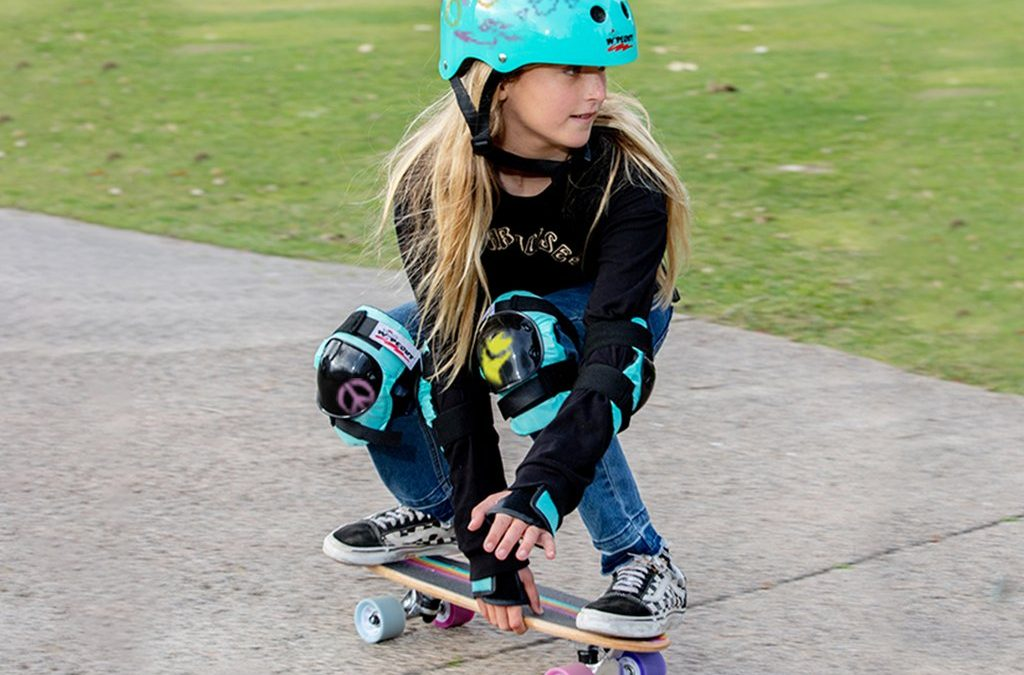
Why Kids’ Skateboards Require a Specialized Manufacturer
Not every skateboard factory is equipped to produce kids’ skateboards—and not every manufacturer that claims to serve the kids’ market actually understands what’s required.
Safety Standards Are Stricter
Kids’ products are subject to more stringent safety regulations than adult products. In the United States, the Consumer Product Safety Commission (CPSC) sets standards for children’s products, including skateboards. In Europe, the EN 71 standard governs toy safety, and CE marking is required. A manufacturer that doesn’t understand these regulations may produce boards that fail compliance testing—putting your business at risk of recalls, fines, and legal liability.
Design Differences Matter
Kids’ skateboards aren’t just smaller versions of adult boards. They require:
- Lighter decks – Easier for young riders to maneuver and carry
- Softer bushings – So kids can turn the board without excessive force
- Smaller wheels – Better suited to lower speeds and smaller statures
- Safer grip tape – Less abrasive to prevent injuries from falls
- Adjustable components – Some kids’ boards grow with the child
A manufacturer that specializes in kids’ skateboards will understand these nuances and can help you design products that are both safe and enjoyable for young riders.
Age-Appropriate Graphics and Packaging
Kids’ products need to appeal to children—and to the parents who buy them. This means bright colors, fun graphics, and packaging that communicates safety and quality. A manufacturer with experience in the kids’ market will have design capabilities and printing options tailored to this audience.
If you’re serious about entering the kids’ market, working with a dedicated kids skateboard manufacturer is essential. They’ll have the expertise, certifications, and production capabilities to meet your needs.
Key Factors to Evaluate in a Kids Skateboard Manufacturer
When vetting potential manufacturers, you need to look beyond price. Here are the factors that matter most.
1. Certifications and Compliance
This is non-negotiable. Ask for:
- CPSC compliance (for the U.S. market)
- EN 71 compliance and CE marking (for the EU market)
- ISO 9001 certification (quality management)
- BSCI or Sedex audits (social compliance and ethical manufacturing)
- ASTM F2264 (standard consumer safety specification for skateboards)
A manufacturer that can’t provide documentation for these certifications should be immediately disqualified. Reputable manufacturers will be transparent and provide certificates upon request.
2. Materials and Construction Quality
Kids’ skateboards should be built to last, even under rough handling. Ask about:
- Deck material – 7-ply maple is the standard, but some kids’ boards use 5-ply for lighter weight. Ensure the wood is properly dried and free of defects.
- Trucks – Look for durable aluminum trucks with smooth turning action. Avoid cheap plastic trucks that break easily.
- Wheels – Soft wheels (78A–85A durometer) are better for kids, as they provide a smoother ride on uneven surfaces.
- Bearings – ABEC 5 or ABEC 7 bearings are sufficient for kids’ boards. Avoid low-quality bearings that seize up quickly.
- Grip tape – Should be grippy but not excessively abrasive.
3. Production Capacity and Scalability
Can the manufacturer handle your current order volume? Can they scale with you as your brand grows? Ask about:
- Monthly production capacity
- Lead times for samples and bulk orders
- Ability to handle seasonal demand spikes
- Experience with orders of your size
A manufacturer that’s too small may struggle to meet your needs. One that’s too large may not prioritize your order. Find a partner whose capacity aligns with your ambitions.
4. Customization Capabilities
Your kids’ skateboards should reflect your brand identity. Look for a manufacturer that offers:
- Custom deck shapes and sizes
- Custom graphics (screen printing, heat transfer, digital printing)
- Custom wheel colors and hardness
- Custom truck colors and finishes
- Custom packaging (color boxes, hang tags, labels)
- Private label options for brands that want to start quickly
The more customization options a manufacturer offers, the more you can differentiate your products in a crowded market.
5. Quality Control Processes
Quality control should be integrated into every stage of production—not just the final inspection. Ask about:
- Incoming material inspection
- In-process quality checks
- Final product testing (including load testing, impact testing, and durability testing)
- Defect rates and return policies
A manufacturer that takes quality seriously will have documented procedures and be willing to share them with you.
6. Communication and Responsiveness
You’ll be working closely with your manufacturer for months or years. Clear, timely communication is essential. Evaluate:
- Response time to initial inquiries
- Clarity of answers to technical questions
- Willingness to provide samples and documentation
- Language capabilities (if you’re sourcing internationally)
- Project management support
If a manufacturer is slow to respond or evasive during the inquiry stage, that’s a red flag. Trust your instincts.
7. Pricing and Payment Terms
While price shouldn’t be the only factor, it’s obviously important. Compare quotes from multiple manufacturers, but be wary of prices that seem too good to be true—they usually are. Ask about:
- Unit pricing at different order volumes
- Sample costs (and whether they’re refundable)
- Tooling or mold costs (if applicable)
- Payment terms (deposit percentage, balance due date)
- Shipping terms (FOB, CIF, EXW, etc.)
A reputable manufacturer will provide a detailed, transparent quote with no hidden fees.
8. Reputation and References
Ask for references from other clients—especially brands in the kids’ market. Contact them and ask about their experience:
- Did the manufacturer deliver on time?
- Was the quality consistent?
- How did they handle problems or disputes?
- Would they work with this manufacturer again?
A manufacturer with a strong track record and satisfied clients is worth its weight in gold.
The Sampling Process: How to Evaluate Quality Before Committing
Never place a bulk order without approving a sample first. The sampling process is your best opportunity to assess a manufacturer’s capabilities before committing to a large order.
What to Look for in a Sample
When you receive a sample kids’ skateboard, inspect it carefully:
- Deck quality – Check for cracks, delamination, warping, or uneven edges.
- Truck assembly – Ensure trucks are properly mounted, aligned, and turn smoothly.
- Wheel and bearing performance – Spin the wheels; they should rotate freely without wobbling.
- Grip tape application – Should be smooth, even, and free of bubbles or wrinkles.
- Graphic quality – Colors should be vibrant, edges sharp, and placement accurate.
- Packaging – Should be sturdy, attractive, and compliant with labeling requirements.
Testing the Sample
If possible, have someone actually ride the sample. Test:
- Turning responsiveness
- Stability at low and moderate speeds
- Durability under normal use
- Comfort and ease of use for a child
Requesting Revisions
If the sample doesn’t meet your standards, request revisions. A good manufacturer will work with you until the sample is right. If they resist revisions or charge exorbitant fees for changes, consider looking elsewhere.
Sample Timeline and Costs
- Sample production: Typically 7–15 days
- Sample cost: Usually $50–$200, often refundable upon bulk order
- Revision timeline: Additional 5–10 days per round
Plan for at least one or two rounds of revisions before final approval.
Building a Long-Term Partnership with Your Manufacturer
Choosing a manufacturer isn’t just about placing an order—it’s about building a relationship. A good manufacturing partner can help you grow your brand, improve your products, and navigate the complexities of international sourcing.
Communicate Clearly and Regularly
Keep your manufacturer informed about your goals, timelines, and any changes to your requirements. Regular communication prevents misunderstandings and ensures everyone is on the same page.
Provide Feedback
If something isn’t working—whether it’s a quality issue, a communication breakdown, or a missed deadline—speak up. A good manufacturer will appreciate the feedback and work to improve.
Visit the Factory (If Possible)
If you’re sourcing internationally, visiting the factory is one of the best ways to build trust and assess capabilities firsthand. You’ll see the production process, meet the team, and get a sense of the working conditions.
Plan for Growth
As your brand grows, your needs will change. Discuss your long-term plans with your manufacturer and ensure they can scale with you. A partner who is invested in your success will be more valuable than one who just takes orders.
Negotiate Fairly
Good manufacturing partnerships are built on mutual benefit. Negotiate pricing, MOQs, and terms that work for both parties. Don’t squeeze your manufacturer so hard that they cut corners on quality—that will hurt your brand in the long run.
FAQ
What certifications should a kids skateboard manufacturer have?
Look for CPSC compliance (U.S.), EN 71 and CE marking (EU), ISO 9001, and ASTM F2264. These certifications demonstrate that the manufacturer meets safety and quality standards for children’s products.
What’s the minimum order quantity for kids skateboards?
MOQs vary by manufacturer. Some offer MOQs as low as 100–200 pieces, while others require 500 or more. If you’re a new brand, look for manufacturers with flexible MOQs.
How much does it cost to manufacture kids skateboards?
Costs depend on materials, components, customization, and order volume. A basic kids’ skateboard might cost $15–$30 per unit at moderate volumes, while premium models with custom graphics and packaging can cost more.
How long does production take?
Sample production typically takes 7–15 days. Bulk production takes 15–30 days after sample approval, depending on order size and complexity. Shipping adds additional time.
Can I customize kids skateboards with my branding?
Yes. Most kids skateboard manufacturers offer customization options including deck graphics, wheel colors, truck finishes, grip tape, and packaging. Some also offer custom shapes and sizes.
What should I look for in a sample?
Inspect the deck for cracks or delamination, check truck assembly and wheel performance, evaluate grip tape application, and review graphic quality. If possible, have a child test the board for comfort and ease of use.
How do I ensure my kids skateboards are safe?
Work with a manufacturer that holds relevant safety certifications, uses high-quality materials, and has rigorous quality control processes. Always request test reports and compliance documentation.
Should I visit the factory before committing?
If possible, yes. A factory visit allows you to assess production capabilities, working conditions, and quality control firsthand. It’s also a good opportunity to build trust with your manufacturing partner.
Conclusion
Choosing the right kids skateboard manufacturer is one of the most important decisions you’ll make as a brand owner or retailer. The right partner will help you create safe, high-quality products that parents trust and kids love. The wrong partner will cost you time, money, and reputation.
Focus on manufacturers with the right certifications, materials, and quality control processes. Evaluate their production capacity, customization capabilities, and communication. Always request samples before committing to a bulk order. And don’t underestimate the value of a long-term partnership built on trust and transparency.
The kids’ skateboard market is growing, and the opportunity is real. With the right manufacturing partner by your side, you can build a brand that stands out—and make a positive impact on the next generation of skaters.
REQUEST A QUOTE
Ready to start your kids’ skateboard project? Whether you need custom designs, private label options, or full OEM production, we’re here to help.
Our team specializes in kids skateboard manufacturing and works with brands of all sizes—from startups to established players. We’ll guide you through every step, from design and sampling to bulk production and global shipping.
Request a Quote today and let’s create something amazing for young riders.