
When developing a skateboard deck, brands often focus first on width, length, graphics and materials. One specification that can have a significant effect on the finished product is concave.
Skateboard deck concave refers to the curvature across the width of the deck, from one rail to the other. This shape changes how the rider’s feet interact with the board and can influence control, stability and overall riding feel.
For skateboard brands and OEM buyers, concave is more than a technical detail. It is part of the product specification that should be defined before mass production.
A manufacturer may offer mellow, medium or deeper concave options, but simply choosing one based on a name is not always enough. The final result depends on the deck shape, dimensions, pressing mold and manufacturing process.
This guide explains how concave works and what brands should consider when developing a custom skateboard deck.
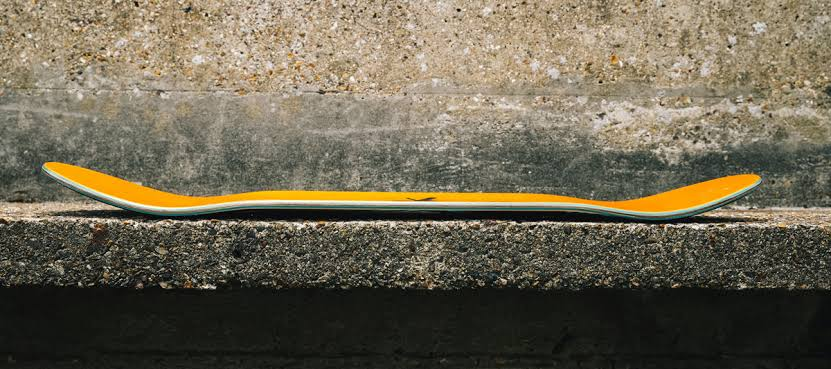
What Is Skateboard Deck Concave?
Concave is the curve formed across the width of a skateboard deck.
If you look at the deck from the nose or tail, a flat deck has very little curve from rail to rail. A concave deck rises toward the edges, creating a shaped platform for the rider’s feet.
Concave is used for both structural and functional reasons. It can help create a more defined standing platform and can contribute to the overall feel of the board.
Common descriptions include:
- Mellow concave
- Medium concave
- Deep or steep concave
- Radial concave
- W-concave
- Specialized foot-pocket designs
The exact terminology can vary between manufacturers and skateboard brands.
That is why an OEM buyer should not rely only on a label such as “medium concave.”
Instead, the manufacturer should understand the actual deck geometry and, when necessary, work from a technical drawing or physical reference sample.
For brands developing a new deck program, our Skateboard Deck Manufacturer page provides more information about custom deck production.
How Does Concave Affect Skateboard Performance?
Concave changes the relationship between the rider’s feet and the deck.
Mellow Concave
A mellow concave generally provides a flatter and more relaxed platform.
This can be suitable for products where comfort and a less aggressive feel are priorities.
Depending on the product design, mellow concave may work well for cruisers, casual riding or certain beginner-oriented products.
Medium Concave
Medium concave is often used as a versatile starting point for general skateboard designs.
It provides more foot definition than a very flat deck while avoiding an extremely aggressive shape.
For a brand developing an all-purpose skateboard product, medium concave can be a practical specification to test.
Deeper Concave
Deeper concave creates a more pronounced shape across the deck.
This can give the rider a stronger feeling of where the feet are positioned and may suit products designed around technical skating.
However, deeper is not automatically better.
An aggressive concave may feel uncomfortable for some riders or may not fit the intended product category.
The correct concave depends on the overall deck design and target customer.
How Should Brands Choose the Right Concave?
For a B2B skateboard project, concave should be selected together with other deck specifications.
Consider these factors.
Product Category
A technical street skateboard may require a different concave from a cruiser or children’s skateboard.
The product should determine the geometry rather than the other way around.
Deck Width
Concave and deck width work together.
A specific concave can feel different on a narrow deck compared with a wider deck.
Therefore, brands should test the actual finished deck rather than evaluating concave as an isolated specification.
Rider Profile
Consider who will use the product.
A product for experienced skateboarders may prioritize responsiveness and foot positioning.
A beginner-oriented product may place more emphasis on comfort and predictability.
Shape and Wheelbase
Concave should also be evaluated alongside deck shape and wheelbase.
These dimensions collectively determine how the finished skateboard feels.
A professional manufacturer should therefore record all relevant dimensions in the approved product specification.
Why Does Manufacturing Quality Matter?
Two skateboard decks can use the same nominal concave specification and still feel different.
Why?
Because the manufacturing process matters.
Important variables include:
- Veneer quality
- Moisture control
- Adhesive
- Pressing temperature
- Pressing time
- Mold accuracy
- CNC shaping
- Sanding
- Final inspection
The pressing mold determines the basic geometry of the deck.
If the mold is inconsistent or the production process is poorly controlled, the final concave may vary between production batches.
For brands placing repeat OEM orders, consistency is therefore critical.
A reliable manufacturing process should allow the approved sample to become the reference standard for future production.
You can learn more about the complete production process on our Skateboard Manufacturing Process page.
How Should Buyers Specify Concave to a Manufacturer?
When requesting a quotation, avoid sending only:
“Medium concave skateboard.”
Instead, provide as much information as possible.
A better product specification can include:
- Deck width
- Deck length
- Wheelbase
- Nose and tail dimensions
- Concave type
- Concave depth or reference
- Kick angle
- Deck construction
- Thickness
- Mounting-hole pattern
- Graphics
- Target quantity
If you already have a deck that represents the desired feel, consider providing a physical reference sample.
For an OEM project, this can be much more useful than relying on terminology alone.
If your project requires custom specifications, graphics and components, you can also review our Custom Skateboards manufacturing options.
FAQ
What is skateboard deck concave?
Skateboard deck concave is the curve across the width of the deck from rail to rail. It affects the rider’s foot positioning and overall feel of the board.
Does deeper concave make a skateboard better?
Not necessarily. Deeper concave can provide a more defined platform and may suit technical skating, but the ideal concave depends on the product, rider and overall deck geometry.
What concave is best for beginners?
There is no single correct answer. A mellow or medium concave may provide a more comfortable starting point, but the complete deck design should be considered.
Can I customize the concave of a skateboard?
Yes. Custom concave can be part of an OEM skateboard deck specification. Depending on the design, custom molds or tooling may be required.
How can I make sure the concave stays consistent between orders?
Use an approved production sample and detailed technical specification. The manufacturer should use the approved specification as the reference for future production.
Conclusion
Skateboard deck concave is an important part of product design because it influences how the rider interacts with the board.
Mellow, medium and deeper concave profiles can produce different riding characteristics, but no single profile is ideal for every skateboard.
For brands developing an OEM skateboard, concave should be evaluated together with deck width, length, wheelbase, shape, construction and target rider.
Most importantly, the specification should be reproducible.
A professional manufacturing partner should be able to translate your preferred deck geometry into a consistent production specification and maintain that standard across future orders.
Yobang Sports works with skateboard brands, distributors, sporting-goods buyers and toy companies on custom skateboard deck and complete skateboard projects.
REQUEST A QUOTE
Request a Skateboard Manufacturing Quote
Send us your preferred deck size, concave, construction, quantity and target market. If you have an existing sample or technical drawing, include it with your inquiry so our team can evaluate the project.